
Hiring an Exterior Painter in Tampa: What to Ask and Compare
Stucco, sun, storms, and HOAs make exterior painting in Tampa its own kind of job. Here's what a good estimate covers and what to ask before you hire.
By CityPaintPros Editorial Team · Updated September 30, 2026
An exterior repaint is one of the bigger projects most Tampa homeowners take on, and one of the most visible. It also has to hold up to some of the toughest conditions in the country for paint: strong sun nearly all year, heavy humidity, afternoon storms in the summer, and salt air near the bay.
This guide covers what the work involves here, what a solid estimate should include, and the questions that help you compare painters. For the general hiring checklist, including insurance, Sunbiz lookups, and local licensing, start with our guide to choosing a painter in Tampa.
What an exterior paint job involves in Tampa
Stucco over concrete block
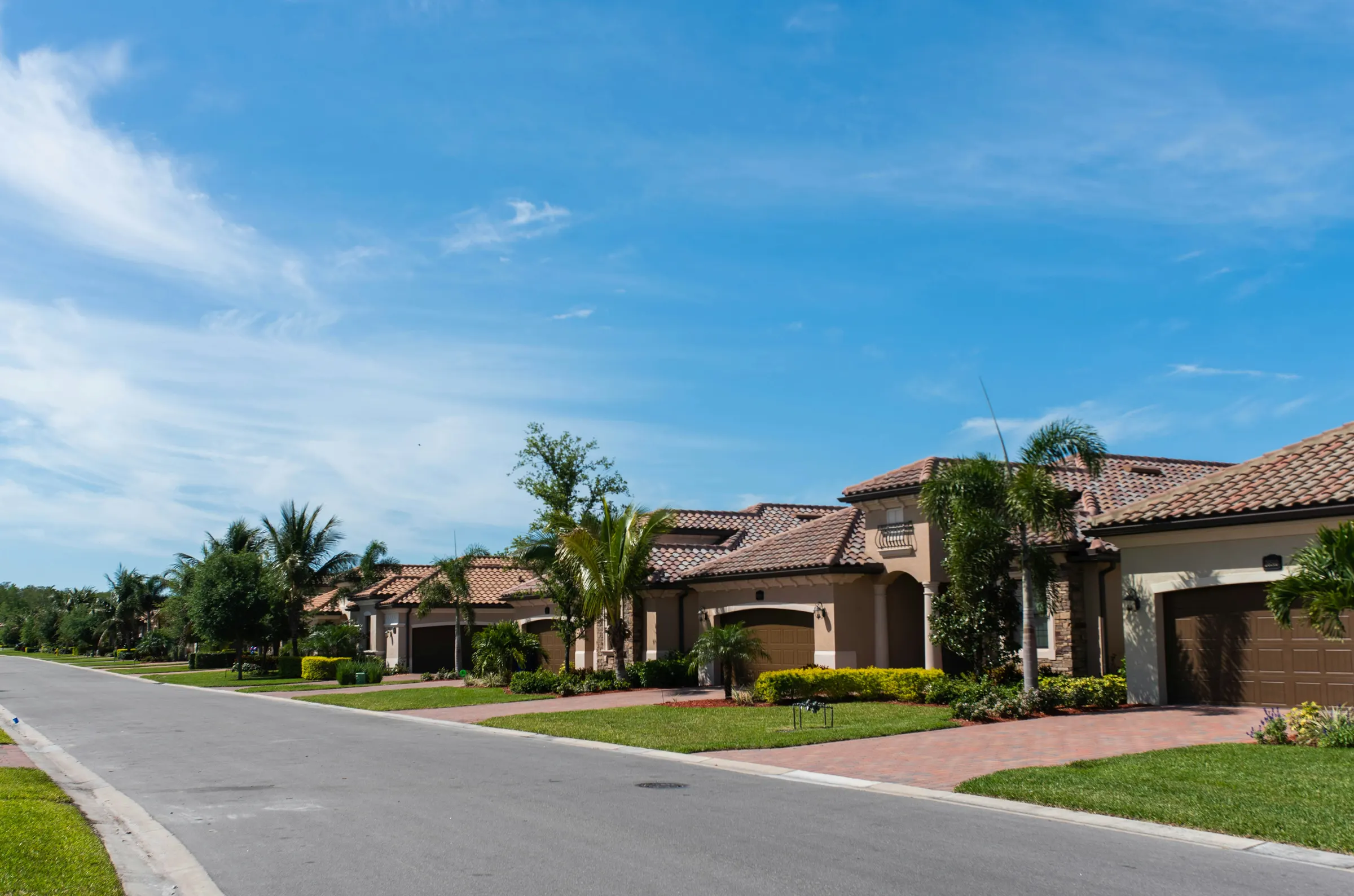
Most homes in the Tampa area, from Brandon to Westchase to New Tampa, are concrete block (often called CBS) finished with stucco. Stucco is porous and tends to develop hairline cracks as a house settles and heats and cools. Those cracks let water in, and trapped moisture is one of the main reasons exterior paint blisters and peels.
A good exterior job treats crack repair as part of the work, not an extra. Small cracks are cleaned and filled. Larger ones may need to be opened, patched, and textured to match before anything is painted.
Wood trim, fascia, and soffits
Even on a block home, fascia boards, trim, and door frames are often wood, and Florida moisture can rot them over time. Rotted wood should be replaced before painting. Painting over it only hides the problem for a short while.
Older homes in Seminole Heights and Hyde Park may have wood siding, which needs its own attention: scraping loose paint, sanding, and priming bare spots.
Sun, mildew, and salt air
UV breaks down paint over time, which is why sun-facing walls tend to fade and chalk first. Shaded walls, especially on the north side or under trees, grow mildew and algae. Homes near the water deal with salt air too. All three make thorough cleaning and a quality exterior coating more important.
Weather and scheduling
Paint needs a dry surface and time to cure. During the rainy season, roughly June through September, afternoon storms are common, so many painters start early and plan around the forecast. Hurricane season runs June through November, and storms can push schedules around. Ask each painter how they handle rain delays.
What a good exterior estimate should include
A written estimate should tell you exactly what you're paying for. Look for:
- Surfaces included: walls, trim, fascia, soffits, doors, garage door, shutters, lanai walls, and anything excluded.
- Cleaning: pressure washing or soft washing, plus mildew treatment.
- Repairs: how stucco cracks will be handled, and whether wood rot replacement is included or priced separately.
- Caulking and sealing: around windows, doors, and joints.
- Primer: where it will be used, such as on repairs and bare surfaces.
- Products: the paint line or type, sheen, and the number of finish coats.
- Protection: how plants, pool areas, walkways, and vehicles will be covered.
- Timeline and weather plan: start date, expected duration, and what happens on rain days.
- Payment schedule and warranty: the deposit, when the rest is due, and what the warranty covers.
Questions to ask an exterior painter
Beyond the general hiring questions, these are specific to exterior work:
- How will you clean the house, and will you treat mildew?
- How do you repair stucco cracks, and what product do you use?
- Is elastomeric coating right for my house? Why or why not?
- What happens if you find rotted wood once work starts? How will it be priced?
- Which walls do you expect to need the most prep?
- Will you help me put together color samples and product information for my HOA?
- How do you protect my landscaping and pool area?
- How long should I wait before the paint is fully cured, and is there anything I should avoid during that time?
Comparing exterior quotes
Exterior estimates can vary a lot, and the reasons are usually in the details. One painter may include full crack repair and two finish coats, while another prices a single coat and treats repairs as extras. One may plan a soft wash with mildew treatment; another may just rinse.
Line up your estimates and compare scope, prep, products, coats, timeline, and warranty. If something is unclear, ask. Our guide to what affects painting costs in Tampa explains the factors that move the price and how to compare quotes fairly.
Red flags for exterior jobs
- No mention of washing, crack repair, or caulking.
- A plan to paint over rotted wood.
- No written weather plan, or a promise to paint in any conditions.
- Door-to-door offers right after a storm from crews with no local presence you can look up.
- Unwillingness to provide proof of insurance.
- Pressure to skip HOA approval "to save time."
At the final walkthrough
Before you make the last payment, walk the whole house with the painter in daylight. Look at edges where the body color meets trim, check under eaves and around light fixtures, and make sure caulked joints look neat. Confirm that plants, walkways, and the pool area were left clean. Ask for the name and color of every product used, and keep any leftover paint labeled for touch-ups.
Before the crew arrives
A little preparation on your side helps the job go smoothly. Get HOA approval in writing if your community requires it. Move patio furniture, grills, and potted plants away from the walls. Let neighbors know if ladders or equipment will be near a shared property line. Confirm where the crew can park, access water, and store materials.
When you're ready, you can request a free estimate from a local painter listed on CityPaintPros, or browse the Tampa painter directory. Compare what each painter proposes, ask your questions, and choose the one whose plan makes the most sense for your home.
Frequently asked questions
What's the best time of year to paint a house exterior in Tampa?
Many homeowners prefer the drier months outside the June to September rainy season, when afternoon storms are less frequent. Exterior work happens year-round, so ask each painter how they schedule around rain and humidity.
Should stucco cracks be repaired before painting?
Yes. Paint alone doesn't seal an open crack, and water that gets behind the coating can cause blistering and peeling. Ask how each painter will clean, fill, and prime cracks, and make sure it's written into the estimate.
What is elastomeric coating?
It's a thick, flexible coating that can bridge hairline cracks in stucco and shed water. It suits some homes and not others, so ask the painter why they are or aren't recommending it for yours.
Do I need HOA approval to repaint my house?
Many Tampa-area HOAs require color approval before an exterior repaint. Check your community's rules and get approval in writing before work starts.
Will the painter pressure wash first?
A proper exterior job should start with cleaning to remove dirt, mildew, and algae. Confirm that washing and mildew treatment are listed in the estimate.
Get a free estimate
During our Tampa Bay pilot, estimate requests go to Tampa Painter, a local painting company listed on CityPaintPros, who will contact you directly.
Form not loading? Open it in a new tab.