
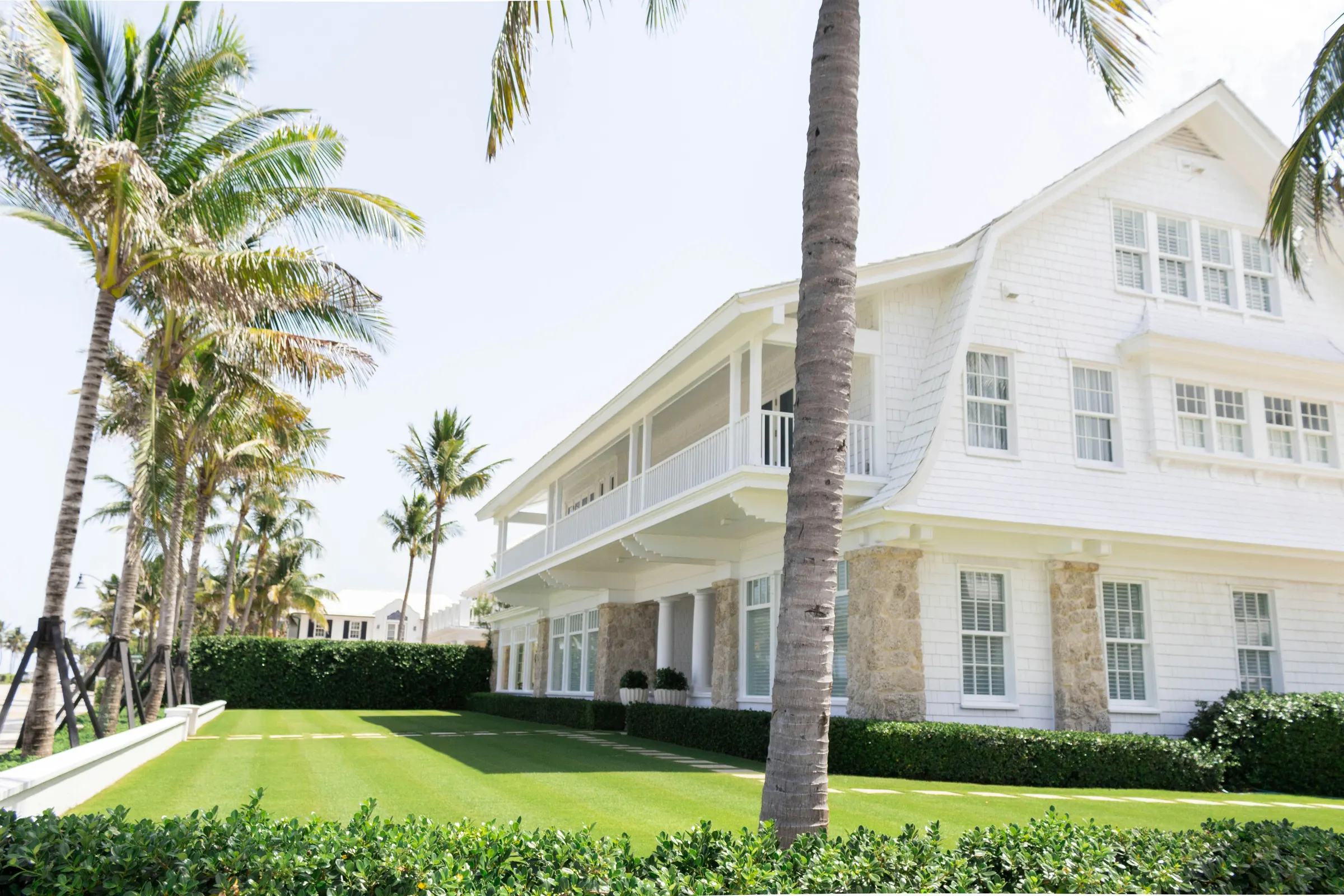
Choosing Exterior Paint Colors That Hold Up in the Florida Sun
Strong sun changes how colors look and how long they last. Here's how to pick exterior colors for a Florida home, test them properly, and get HOA approval.
By CityPaintPros Editorial Team · Updated September 30, 2026
Florida sun is bright, direct, and nearly year-round. It changes how a color looks on your walls, and over time it changes the color itself. A shade that looks soft and warm on a small chip can read washed out at noon, and a deep, rich color can fade faster on a west-facing wall than you expected.
Picking exterior colors here comes down to a few ideas: how light affects what you see, how sun and heat affect the paint, and what your HOA allows. This guide walks through each one.
How Florida light changes color
Colors look lighter outdoors
Almost every color looks lighter and less saturated on a sunny exterior wall than it does on a chip indoors. Strong sunlight washes colors out. That's why many people pick a shade that looks right on the chip and find it too pale once it's on the house. If you're between two options, the slightly deeper one often looks closer to what you imagined.
Stucco texture matters
Most homes in the Tampa area are stucco over concrete block. Stucco's texture creates tiny shadows that make colors look a little deeper and softer than on a smooth surface. Test samples on the stucco itself, not on a smooth board, if you can.
Surroundings play a role
Your roof color, landscaping, pavers, and even your neighbors' homes all affect how a color reads. A cool gray can look bluer next to lush green plants. A warm beige can look pink next to a terracotta roof. Look at samples with all of that in view.
How sun and heat affect paint
Fading
UV light breaks down paint over time. Very saturated colors, including many bright reds, yellows, and blues, tend to show fading sooner than softer colors. Sun-facing walls, usually the south and west sides, fade first. Quality exterior paint and proper prep help, but color choice matters too.
If you love a bold color, consider using it where it's easier to refresh: the front door, shutters, or trim.
Heat absorption and LRV
Dark colors absorb more sunlight, which makes the surface hotter. That extra heat can put more stress on the paint and on some siding materials over time. Some products and materials have limits on how dark a color can be used, so check with your painter and the paint maker.
LRV, or light reflectance value, is a simple way to compare colors. It measures how much light a color reflects. Lower LRV colors are darker and absorb more heat; higher LRV colors are lighter and reflect more. You'll usually find the LRV on the back of a paint chip or on the manufacturer's website. You don't need to pick by LRV alone, but it's a helpful tiebreaker between two colors you like.
Mildew and dirt
Very light colors show dirt and mildew more, and shaded walls in Florida grow mildew no matter the color. Mid-tone colors can be more forgiving. Plan for regular cleaning either way.
Working with your HOA
Many HOAs in master-planned communities require approval before you change exterior colors, and some keep an approved palette or a list of approved color schemes. Before you fall in love with a color:
- Read your community's architectural guidelines.
- Ask whether there's an approved palette.
- Find out what the application requires, such as color names, samples, photos, or a sketch of where each color goes.
- Get approval in writing before painting starts.
Some painters help homeowners prepare samples and product information for HOA applications. It's worth asking when you're collecting estimates.
Choosing a color scheme
Most exteriors use three colors:
- Body: the main wall color, and the one that matters most.
- Trim: fascia, window trim, and corners, often lighter or darker than the body for contrast.
- Accent: the front door and sometimes shutters, where you can have more fun.
Pull ideas from your roof, pavers, and landscaping so the colors feel connected. Drive through neighborhoods you like, such as the older streets of Seminole Heights or newer communities in Lutz and Riverview, and take photos of homes that catch your eye.
Testing samples the right way
Testing is the single best way to avoid regret.
- Paint large samples. Small swatches are hard to judge. Paint a large patch, or use sample boards painted with two coats.
- Test on multiple walls. Put samples on a sunny wall and a shaded wall. Colors can look very different on each side of the house.
- Look at different times. Check morning, midday, late afternoon, and on a cloudy day.
- Step back. Look from the street, not just up close. That's how neighbors and your HOA will see it.
- Test next to trim and roof. Hold trim and accent samples against the body color.
- Give it a few days. Live with the samples before deciding.
Sheen for exterior surfaces
Sheen affects how color looks and how the surface wears. Flat and low-sheen finishes are common on stucco walls because they hide texture and minor flaws. Satin or semi-gloss finishes are often used on trim and doors because they're easier to wipe clean and add a little contrast. Your painter and the product maker's recommendations should guide the final choice. For a full breakdown, see our paint sheen guide.
When you're ready to paint
Color is only part of a lasting exterior. Prep, stucco crack repair, and quality paint do most of the work of keeping it looking good. Our guide to hiring an exterior painter in Tampa covers what to ask, and our colors hub has more ideas.
When you're ready, you can request a free estimate from a local painter listed on CityPaintPros and bring your tested samples to the conversation.
Frequently asked questions
Do dark exterior colors fade faster in Florida?
Deep, saturated colors tend to show fading sooner than softer, lighter ones, especially on walls that get strong afternoon sun. If you love a darker color, consider it for accents like doors or shutters.
Do dark colors make a house hotter?
Darker colors absorb more sunlight and get hotter on the surface than lighter colors. That extra heat can also put more stress on the coating over time.
What is LRV?
LRV stands for light reflectance value. It describes how much light a color reflects, from very dark colors that reflect little to whites that reflect a lot. It's usually listed on the back of a paint chip or on the manufacturer's website.
What sheen is best for exterior walls in Florida?
Flat or satin finishes are common on stucco walls because they hide surface texture, while trim and doors often get a satin or semi-gloss finish that's easier to clean. Ask your painter what the product maker recommends for your surfaces.
Do I need HOA approval to change my exterior color?
Many Florida HOAs require color approval before you repaint, and some have an approved palette. Check your community's rules and get approval in writing before work starts.
Get a free estimate
During our Tampa Bay pilot, estimate requests go to Tampa Painter, a local painting company listed on CityPaintPros, who will contact you directly.
Form not loading? Open it in a new tab.